Common Mistakes First-Time Trekkers Make in India (And Why They Keep Making Them)
The Urban Trekker’s Reality Check:
How desk jobs, new boots, and the “hero complex” turn dream treks into ordeals. For many beginners, first time trekking mistakes in India stem from a mismatch between urban conditioning and the realities of mountain terrain.
Introduction: The Gap Between the Screen and the Summit
It’s 4 AM at a Himalayan trailhead. Headlamps flicker as a group of trekkers adjust backpacks in the cold dark. Among them is Rohan, a software engineer from Bangalore on his first mountain trek. He goes to the gym twice a week. His gear is new. His smartwatch says he’s “fit.”
Six hours later, Rohan is hunched over by the trail, vomiting. His brand-new boots have raised angry blisters. A dull headache throbs behind his eyes. He’s not alone.
This scene repeats every weekend across India’s trekking trails.
The democratization of trekking has brought thousands of urban professionals into landscapes their lifestyles haven’t prepared them for. And the failures that follow are rarely about bad luck. They’re systemic-rooted in a fundamental mismatch between urban expectations and wilderness reality.
Based on first-hand accounts, guide interviews, and rescue narratives, this guide doesn’t just list mistakes. It explains why smart, capable people keep making them-and how you can avoid repeating the same cycle on your very first trek.
Table of Contents
🌄 Based on first-hand accounts, guide interviews, and rescue narratives, this guide doesn’t just list mistakes. It explains why smart, capable people keep making them-and how you can avoid repeating the same cycle on your very first trek.
“I’m Fit from the Gym” vs. “This Is Specialized Endurance”
The trail moment:
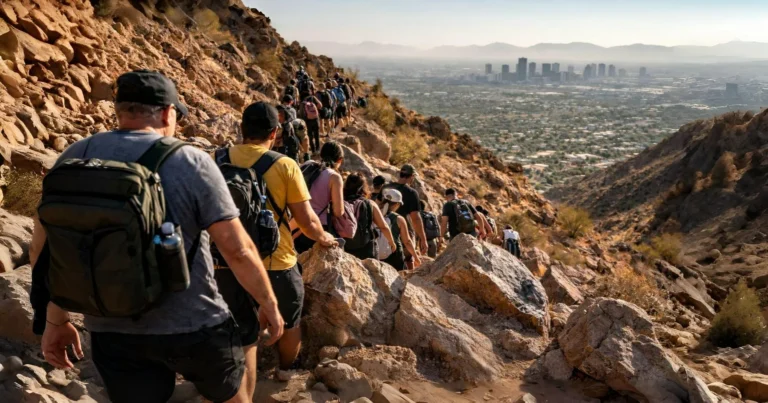
You surge ahead on the first incline. Your heart rate spikes, but you feel strong. Three hours later, your legs are jelly, your breathing is erratic, and the group you overtook is now waiting for you to recover.
The disconnect:
Urban fitness and trekking fitness are not interchangeable.
Gym workouts build strength and short-burst stamina. Trekking demands sustained, low-intensity output for 5-7 hours, often with limited oxygen and uneven terrain. This gap catches first-timers off guard.
The hero complex:
Many beginners push too hard early, driven by social pressure or self-image. This “prove yourself” pacing accelerates fatigue and increases susceptibility to altitude sickness.
Guides frequently report young professionals struggling or vomiting on “easy” treks, not due to weakness, but because their bodies aren’t adapted to continuous load and oxygen debt.
✅ Key Takeaway: Trekking fitness is about sustainability, not speed. Train with long walks, stairs, or inclined treadmill sessions. Learn breathing rhythm. Start slower than feels necessary-then slow down again.
“New Gear Means Best Performance” vs. “Broken-In Gear Means Survival”
The trail moment:
By kilometre three, a warm rub forms on your heel. By kilometre five, it’s a blister. Every step hurts, and the day has just begun.
The gear fallacy:
Indian first-time trekkers often overestimate gear labels and underestimate real-world conditions.
| Rookie Error | Trail-Ready Alternative | Why It Fails in India |
|---|---|---|
| Brand-new boots | Footwear broken in over 20–30 km | Causes blisters within hours |
| Cotton clothing | Synthetic or merino layers | Cotton traps sweat and monsoon moisture |
| Phone flashlight | Dedicated headlamp + spare batteries | Phones die; darkness causes sprains |
| Stored old shoes | Inspect soles for delamination | Glue failure is common in stored footwear |
A trekker in Kudremukha once hiked for hours in soaked shoes and developed trench foot, a painful, avoidable condition caused by prolonged moisture exposure.
✅ Key Takeaway: Gear is not about brands or price tags. It’s about compatibility with terrain, climate, and duration. Test everything before you rely on it.
“It’s Just a Headache” vs. “AMS Is a Silent Escalation”
The trail moment:
At 11,000 feet, your head throbs. You blame the sun, pop a painkiller, and keep climbing. By evening, nausea sets in. Balance feels off.
The altitude denial trap:
Acute Mountain Sickness (AMS) often begins subtly-but escalation can be rapid.
Many Indian trekkers hide symptoms due to:
- Financial investment
- Social pressure
- Fear of “being sent down”
This denial has consequences. AMS can progress to High Altitude Pulmonary or Cerebral Edema (HAPE/HACE) within hours.
✅ Key Takeaway: Acclimatization is biology, not mindset. Descending early is strength, not failure.
“India Is One Terrain” vs. “Three Regions, Three Battles”
Western Ghats (Monsoon):
Leeches cause panic. Salt burns skin and increases infection risk.
Northeast (Meghalaya):
Thousands of stairs break morale and knees, especially when starting late.
Himalayas:
Cold, dry air suppresses thirst. “Cold diuresis” quietly dehydrates trekkers.
| Region | Primary Risk | Common Mistake | Smart Fix |
|---|---|---|---|
| Western Ghats | Leeches, floods | Panic reactions | Leech socks, calm removal |
| Himalayas | AMS, UV, cold | Skipping acclimatization | Layering, hydration discipline |
| Northeast | Stairs, humidity | Late starts | Early timing, electrolytes |
✅ Key Takeaway: There is no such thing as “generic trekking in India.” Terrain dictates preparation.
“Locals Are Service Staff” vs. “Locals Are Your Safety Net”
The trail moment:
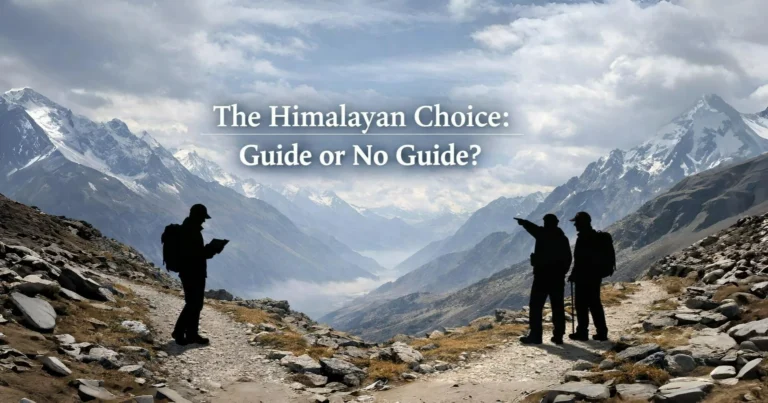
You dismiss the porter’s advice. Hours later, that same person stabilizes you after a slip and guides you to safety.
This mindset—often called “Gama in the Land of Lama”-isn’t just disrespectful. It’s dangerous.
Local guides understand:
- Weather shifts
- Safe detours
- Emergency response
Environmental negligence, shortcutting switchbacks, and littering fruit peels also destabilize fragile ecosystems.
Referencing Leave No Trace principles, even “biodegradable” waste can take years to decompose at altitude.
✅ Key Takeaway: Humility is a survival skill. Respect people, paths, and places.
“A Blister Is Nothing” vs. “Small Injuries End Treks”
The trail moment:
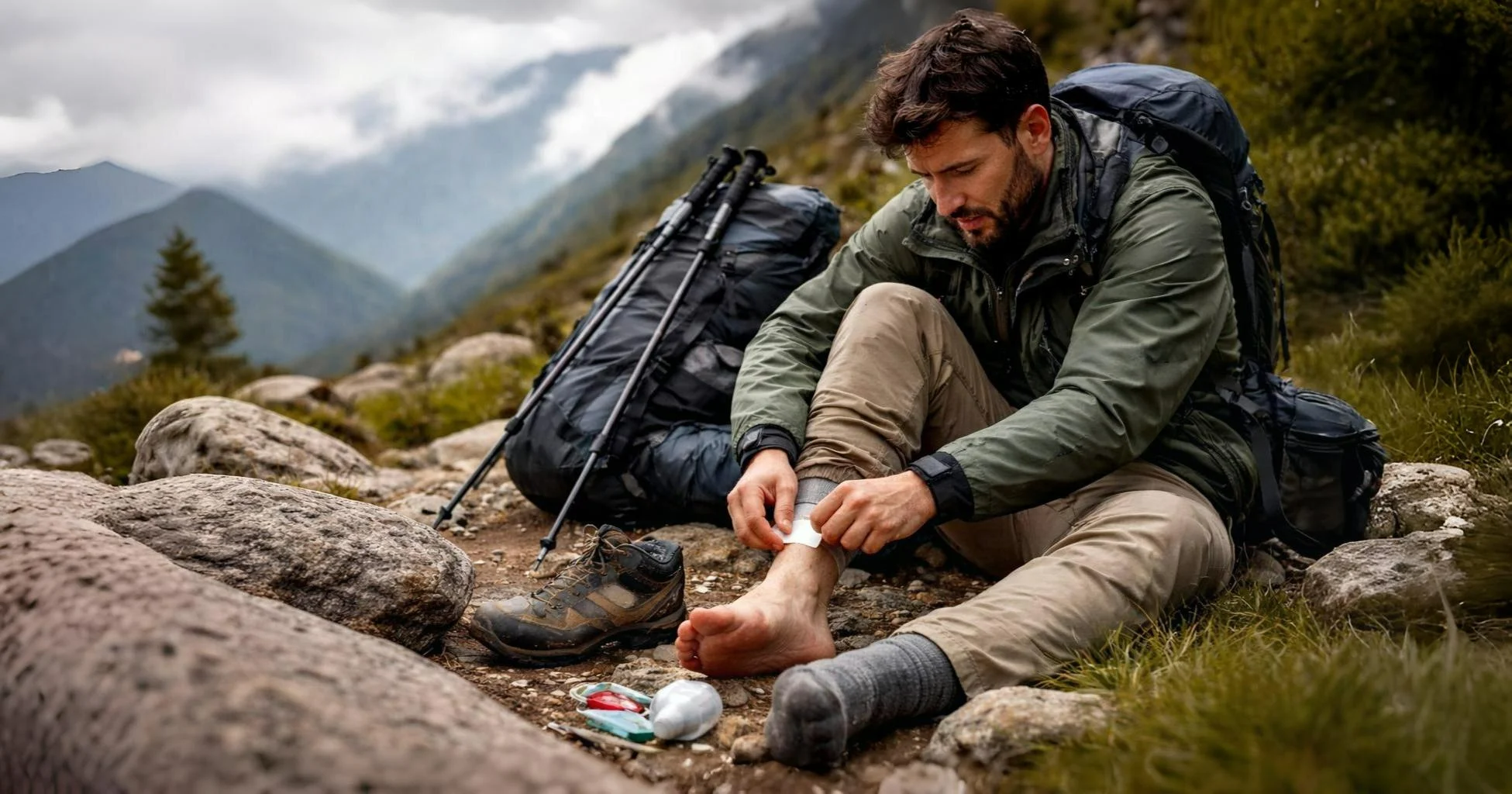
You ignore a hot spot. Later, you pop a blister with a pin. Infection follows.
Common first-aid failures:
- Ignoring hot spots early
- Popping blisters without sterilization
- Locking knees on descents (“descender’s knee”)
- Waiting for thirst signals
Using trekking poles reduces knee load by up to 25–30%, according to biomechanical studies.
✅ Key Takeaway: Address small problems immediately. Carry basic first aid, and know how to use it.
Conclusion: From Tourist to Expeditionist
Your first trek isn’t about conquering terrain. It’s about adapting your urban body and mindset to ancient landscapes.
Successful first-timers aren’t the strongest or fastest. They’re the most adaptable, those who respect physiology, context, people, and limits.
India’s mountains don’t reward bravado.
They reward preparation, humility, and awareness.
If you approach your first trek with informed respect, it won’t be a survival story; it’ll be the beginning of a lifelong relationship with the outdoors.
Last updated: January 25, 2026
We review and update our guides periodically based on new field insights, safety advisories, and reader feedback.